Pink Love Font Review
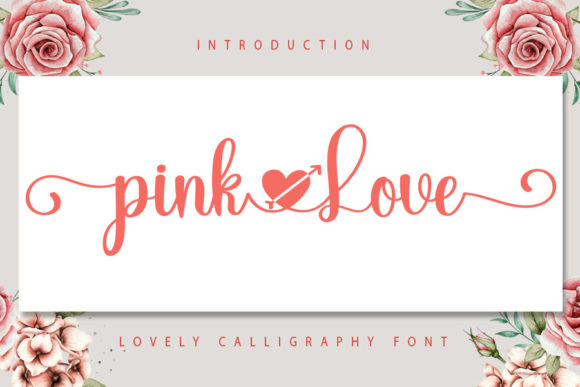
As a web designer, I’m always on the lookout for fonts that bring both personality and purpose to a site. Pink Love has quickly become one of my go-to choices for adding a soft, romantic touch to digital projects. It’s not just a pretty font—it’s a tool that can elevate a brand’s visual identity when used thoughtfully.
A Perfect Fit for Hero Sections
I first tested Pink Love in a hero section for a boutique online store selling handmade soaps and candles. The font’s flowing, handwritten style gave the page an inviting, artisanal feel. I paired it with a clean sans serif for the body text, which helped balance the decorative elements without overwhelming the design. The result was a layout that felt warm and professional at the same time.
The font worked especially well for headings and subheadings. Its curves and gentle slant added a sense of movement that made the content more engaging. On mobile devices, the font remained legible and didn’t get lost against the background images. I found that using it for the main headline helped draw attention to the key message without being too distracting.
Using Pink Love in Call-to-Action Buttons
When it came to call-to-action buttons, I experimented with using Pink Love for the text. It looked elegant and modern, but I noticed that the font’s thin strokes could be hard to read on smaller screens or when placed over dark backgrounds. To fix this, I increased the font size and added a subtle shadow. This tweak kept the font’s charm while ensuring it stayed readable and accessible.
For larger buttons, like those used in promotional banners, Pink Love stood out beautifully. It added a feminine, creative energy that matched the brand’s aesthetic. However, I wouldn’t recommend using it for form labels or navigation menus. Those areas require clarity and consistency, which a highly decorative font might not provide.
Pairing Pink Love with Other Fonts
Font pairing is essential in web design, and Pink Love pairs well with a variety of styles. I often use it alongside a simple sans serif like Open Sans or Montserrat for body copy. This combination creates a clear visual hierarchy and keeps the design from feeling too busy.
For editorial-style websites, pairing Pink Love with a serif font like Georgia or Playfair Display can add a refined, classic feel. In contrast, for more modern or minimalist sites, a bold display font like Roboto or Lato works well as a complement. The key is to let Pink Love shine in its role as a decorative element rather than trying to force it into every part of the layout.
Responsive Design Considerations
One of the things I appreciate about Pink Love is how it performs in responsive layouts. On desktop, it looks fluid and elegant, but on smaller screens, I had to adjust the spacing and line height to maintain readability. I also found that using it for image overlays or background text required careful consideration of contrast and placement.
When testing it on a blog header, I made sure the font wasn’t too small or too close to the image. A little extra padding went a long way in keeping the design clean and easy to scan. For social media graphics or email templates, I kept the font usage minimal and focused on key phrases to avoid clutter.
Best Uses for Pink Love in Web Projects
Overall, Pink Love excels in areas where visual appeal and emotional connection matter most. It’s ideal for headers, logos, and short phrases that need a personal, handcrafted feel. I’ve used it successfully in portfolio websites, coaching landing pages, and product sales pages where the goal is to create a welcoming, authentic experience.
It also works well in digital ads and promotional banners, where its unique style can catch the eye and stand out from the competition. However, I would avoid using it for long paragraphs or dense information. That’s where a clean, readable font like Arial or Helvetica shines.
Before using Pink Love in any project, I always check the available styles, weights, and file formats. Making sure the font is licensed correctly for commercial use is also crucial, especially when working on client sites or e-commerce platforms.