Historya Angely: A Script Font for Web Design
As a web designer, I’m always on the lookout for fonts that can elevate a site’s visual identity without sacrificing readability. Historya Angely has quickly become one of my go-to choices for headers and display elements. Its elegant script style adds a touch of personality to any digital project, making it perfect for creative portfolios, boutique online stores, and brand-centric websites.
Visual Personality and Digital Appeal
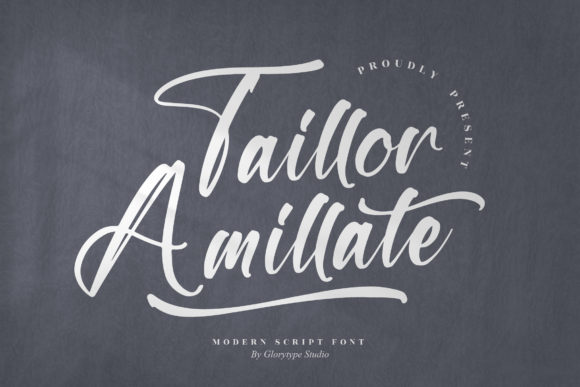
Historya Angely is a beautifully crafted script font that exudes warmth and sophistication. Its flowing lines and subtle swashes give it a handcrafted feel, making it ideal for projects that aim to convey creativity and authenticity. Whether used in a hero section or as a logo text, it brings a sense of artistry to the design without overwhelming the user experience.
The font works particularly well in modern web design where minimalism meets elegance. It pairs nicely with clean sans serif fonts, allowing for a balanced visual hierarchy. This makes it a great choice for websites that want to maintain a professional yet approachable aesthetic.
Use Cases in Web Design
I’ve tested Historya Angely on several real-world web projects, including a creative portfolio site and an online store for handmade goods. On the homepage, it stood out as the primary heading, drawing attention without being too flashy. The font’s natural flow made it easy to read even at larger sizes, which is crucial for hero sections and call-to-action buttons.
In a product landing page, I used it for the main headline and found that it added a personal touch that resonated with the target audience. It worked especially well when paired with a simple sans serif font for body copy, creating a clear contrast that guided the user’s eye through the content.
For a coaching website, I experimented with using Historya Angely in a banner image overlay. The font looked stunning against a background of soft gradients and images, adding a layer of visual interest without distracting from the message. It was also effective in a CTA button, where its decorative nature helped reinforce the brand’s unique identity.
Readability and Responsive Performance
One of the key considerations when using a script font like Historya Angely is its readability across different screen sizes. I’ve tested it on mobile devices and found that it remains legible at reasonable sizes, though it’s best suited for short phrases rather than long paragraphs.
On smaller screens, I recommend keeping the font size at least 24px to ensure clarity. It also performs well on dark backgrounds, where its contrast with the background helps maintain legibility. However, I wouldn’t recommend using it for small navigation text or form labels, as the intricate details can become hard to read.
When used in responsive layouts, Historya Angely scales smoothly, maintaining its character without appearing pixelated. This makes it a reliable choice for websites that need to look good on both desktop and mobile devices.
Font Pairing and Brand Consistency
Pairing Historya Angely with other fonts is essential for creating a cohesive design system. In one project, I paired it with a simple serif font for the body text, which created a warm and inviting tone. This combination worked well for a blog redesign, where the goal was to make the content more engaging while maintaining a professional look.
Another approach is to pair it with a bold sans serif font for headings and subheadings. This creates a strong visual contrast that helps guide users through the site. For a more editorial feel, I’ve used it alongside a classic serif font, which gave the design a timeless quality that felt both modern and refined.
When integrating Historya Angely into a brand’s identity, it’s important to consider how it will be used across different platforms. Whether it’s for a website, social media graphics, or email templates, consistency is key. Using it in a few strategic places—like headers, logos, and CTAs—can help reinforce brand recognition without overusing it.
Considerations for Web Use
Before implementing Historya Angely on a website, it’s important to check the available styles and file formats. Most premium fonts come with multiple weights and variations, which can be useful for different design needs. I also recommend checking the font’s multilingual support if your audience includes non-English speakers.
Commercial licensing is another factor to consider, especially if you’re using the font for client projects or online stores. Make sure the license covers all intended uses, including web embedding and digital downloads. Some fonts may require a separate license for web use, so it’s worth verifying this before starting a project.
Overall, Historya Angely is a versatile script font that can add a unique touch to any digital design. Whether you’re building a creative portfolio, launching an online store, or redesigning a website, it offers a blend of beauty and functionality that’s hard to beat.